Saw my first creeper (at right) at Montrose today. He's after the flies and other inverts that are attracted to the sap flowing from the tree. Yellow-bellied sapsuckers are woodpeckers that drill shallow holes in the trees to lap up the sap. They are considered to be "keystone species" because they provide so much food for invertebrates, birds, and other animals.
The sapsuckers (below) are on their way up to Northern Wisconsin or perhaps Canada and some overwinter as far south as Panama :D
Sunday, April 10, 2011
Thursday, April 7, 2011
My 2nd Fox Sparrow
While dress shopping on Superior St. downtown :(... Was it disrespectful of me to take this photo? ...certainly couldn't have taken it if she/he had any apparent life left in her/him. I had just seen my first ever Fox Sparrow the week before at Montrose scratching in the leaf litter. They're just stopping through this time of year.
Sunday, April 3, 2011
Early April Birds... Montrose Bird Sanctuary
I had no idea you could see so many migrating birds this soon, esp. considering the maddening cold spells we've been cursed with lately. We saw 30 species of birds at the hedge, beach, and harbor around 4pm.
The common noisy ones:
Robin, Grackle, Red-winged Blackbird, Cardinal, Black-capped Chickadee, European Starling
Shorebirds:
Mallards, Canada Geese, Ring-billed Gulls, DC Cormorants, Killdeer, Common Mergansers, and a Mute Swan.
Wooded Lovelies:
Yellow-bellied Sapsucker, Downy Woodpecker, Eastern Phoebe, Dark-eyed Junco, (First-ever!) Golden-crowned Kinglets flitting around catching insects, (First-ever!) Fox Sparrow.
The Fox Sparrows are migrating up to Northern Canada. I saw one "double scratching" the ground in a wooded area to unearth insect larvae - looked like a sweet little solo bird jig. And I used my new phone apps out in the field for the first time - iBird Pro makes it easy to ID birds & calls. It tells you fun facts about things like migration, monogamy, and "double scratching". I also learned that the Fox Sparrow performs a broken-wing display to lure threats away from the nest. And I uploaded my first Wildlife Sightings to the Project Noah site using their new Android app!
Wednesday, March 30, 2011
Friday, December 3, 2010
Saturday, May 29, 2010
Magic Hedge Late May
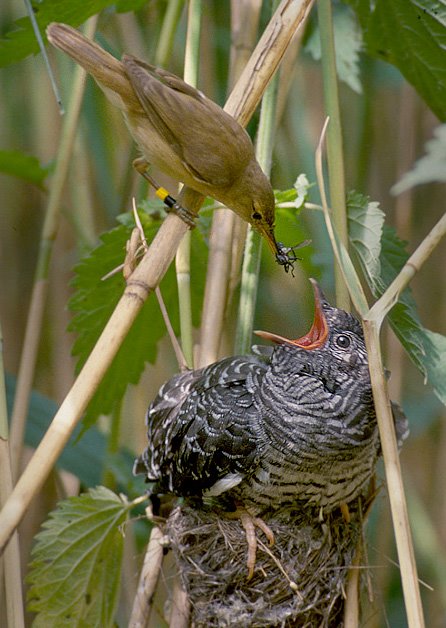
Black-billed Cuckoo. These birds occasionally lay their eggs in the nests of other birds - called brood parasitism. This happens more often with their European cousins. They eat big spiny caterpillars and often beat them on a branch to try and remove the spines. Many of these spines will lodge into their stomach so will periodically shed their stomach lining to remove them.
My first Scarlet Tanager :)

My first Scarlet Tanager :)

Sunday, May 2, 2010
Magic Hedge Early May
American Robin

White-throated Sparrows have a very commonly heard song in winter and early spring. "Oh sweet Canada"


House Sparrows, along with Rock Doves (pigeons) and European Starlings, are one of the most common bird in N. America. They were introduced into this country from Europe in the mid-19th century and thrive in areas with man-made structures like this one for nesting. Very agressive birds, they are known to evict Eastern Bluebirds, Purple Martins, and Tree Swallows from their homes.

White-throated Sparrows have a very commonly heard song in winter and early spring. "Oh sweet Canada"


House Sparrows, along with Rock Doves (pigeons) and European Starlings, are one of the most common bird in N. America. They were introduced into this country from Europe in the mid-19th century and thrive in areas with man-made structures like this one for nesting. Very agressive birds, they are known to evict Eastern Bluebirds, Purple Martins, and Tree Swallows from their homes.
Subscribe to:
Posts (Atom)